Title: Breastfeeding and hydration
Published: - Updated:
Author: Redacción BRUDYLAB
Reviewer: Dra. Leia Garrote - Medical Director
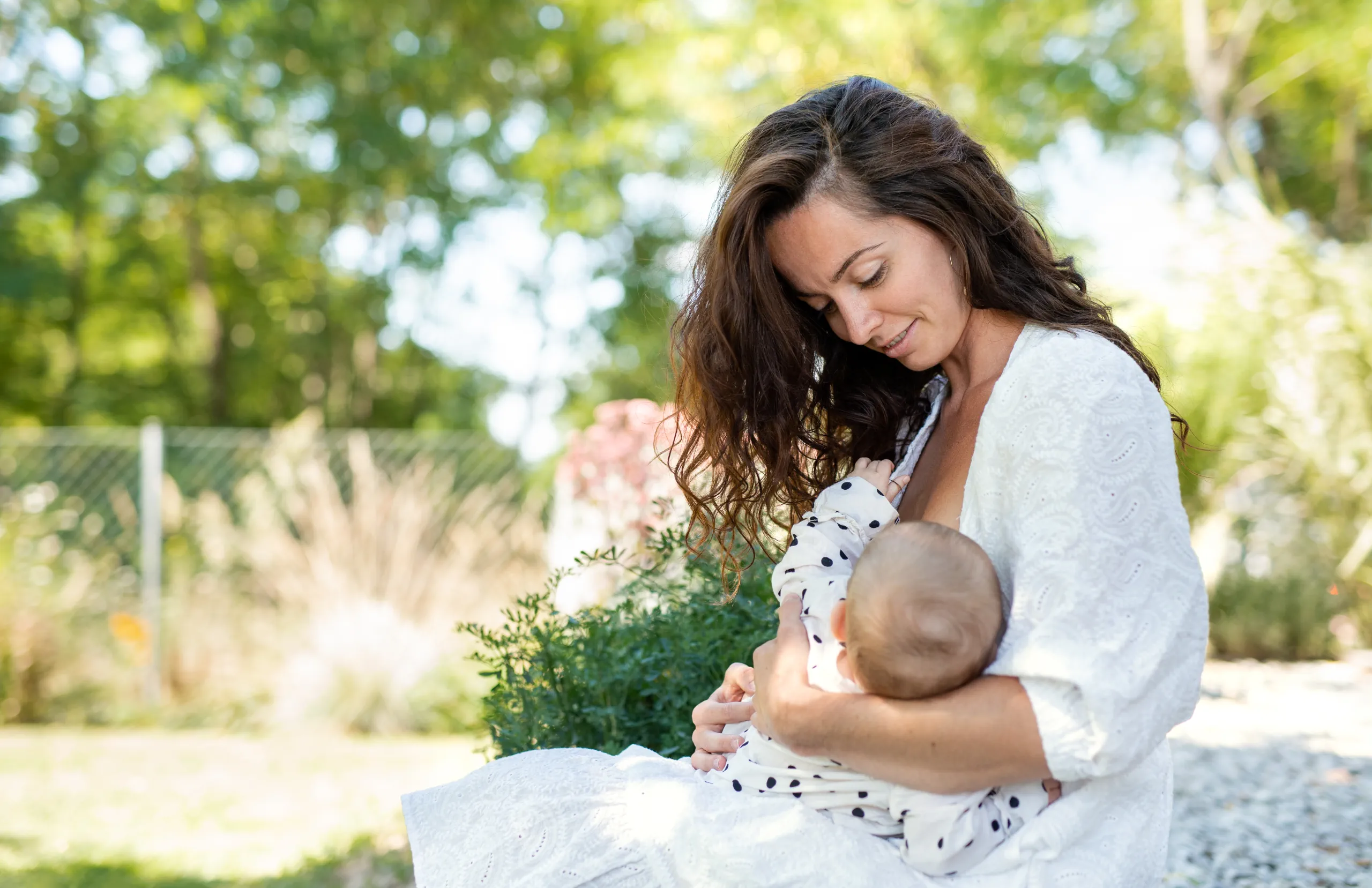
During World Breastfeeding Week, we answer questions about breastfeeding and hydration: Do exclusively breastfed babies need water when it’s hot?
Breastfeeding and hydration
Breastfeeding and warmth: Does a baby under six months need water?
World Breastfeeding Week is celebrated from August 1st to 7th, a useful opportunity to address a question that is especially common during the summer:
Do babies under six months old need water when it’s hot?
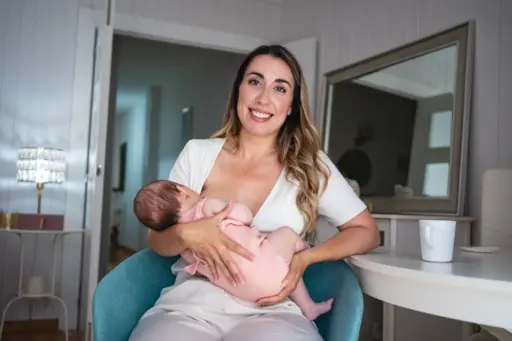
When the weather gets warmer, the question arises almost automatically: if adults need to drink more, should a young baby also drink water? For a healthy baby under six months old who is exclusively breastfed, the general answer from the guidelines is no. Breast milk provides the fluid and nutrients the baby needs; therefore, “exclusive breastfeeding” means that no other foods or drinks are offered, not even water, except for medications, vitamins, or solutions prescribed by a healthcare professional.
Heat can indeed alter feeding patterns. Some babies nurse more frequently and for shorter periods. Breastfeeding on demand, offering the breast often, and observing the baby is usually more helpful than trying to stick to a rigid schedule.
The short answer: exclusive breastfeeding also hydrates
Breast milk is mostly water and provides energy and nutrients in a composition adapted to the first months of life. The World Health Organization (WHO) recommends exclusive breastfeeding for the first six months. In this context, “exclusive” means not adding water, even when the ambient temperature is high.
This recommendation applies to healthy, full-term infants who are breastfeeding successfully. Prematurity, certain illnesses, feeding difficulties, or a specific clinical indication require an individualized plan. In these cases, general online recommendations do not replace the assessment of a pediatric, midwifery, or lactation team.
Key takeaway: Heat does not make water a routine complement to exclusive breastfeeding before six months. It usually increases opportunities for breastfeeding.
Why offering water before six months is not harmless
It might seem like a little water won’t make a difference, but a baby’s stomach has a limited capacity. If water replaces a feeding, the baby receives less milk and, consequently, less energy and nutrients. Furthermore, the water or utensils used can introduce microorganisms if they are not properly cleaned.
It’s also not advisable to replace water with herbal teas, juices, or other beverages. These are not part of exclusive breastfeeding and can displace milk without providing any proven benefit. The recommendation is especially simple: when thirsty or with increased demand on hot days, offer the breast.
With heat, more opportunities to breastfeed and less time spent on the clock
On-demand breastfeeding involves responding to the baby’s cues, without necessarily waiting for crying or imposing fixed intervals. Searching with their mouth, bringing their hands to their face, increased movement, or restlessness can be early signs that they want to nurse. Crying is usually a later sign.
On hot days, it’s reasonable to offer the breast frequently, even if the baby hasn’t followed their usual feeding pattern. It’s not necessary to time each feeding precisely: some can be shorter and more frequent. What’s more important is observing the overall flow of the day, the milk transfer, and the baby’s general condition.
For breastfeeding mothers, having water readily available and drinking according to their thirst contributes to their well-being. Forcing oneself to drink excessive amounts does not guarantee increased milk production. If dizziness, severe discomfort, or signs of maternal dehydration occur, it is also advisable to seek medical advice.
What to look for to know if the dose is effective
There is no single sign that explains everything. The assessment combines how the baby is breastfeeding, how they are developing, and their overall condition. It’s important to pay attention to several factors:
- The baby latches on deeply to the breast and the feeding does not cause persistent pain.
- Sucking and swallowing movements are observed, that is, moments when the baby swallows milk.
- After many takes he appears relaxed or satisfied, although he may ask again soon.
- His wet diaper pattern is consistent with his age and does not clearly decrease compared to usual.
- Weight and growth monitoring by the healthcare team is adequate.
During the first few days of life, the number of diapers changes rapidly, so a single figure can be misleading. If there are any doubts about the amount of milk the baby is receiving, their latch, or their weight, a direct assessment by a trained lactation professional is more helpful than trying to compensate with water.
Formula or mixed feeding: do not extrapolate the recommendation
The “do not add water” instruction here is for exclusive breastfeeding. If the baby is formula-fed or breastfeeding is combined with formula feeding, the product preparation instructions and the healthcare team’s advice must be followed exactly. Never dilute the formula with more water than indicated: changing the ratio alters its nutritional and salt concentration.
Some national guidelines recommend small amounts of boiled and cooled water for certain formula-fed infants under six months old in hot weather. Since this recommendation depends on the context, the baby’s age, and condition, it shouldn’t be followed automatically: it’s best to consult with a pediatrician or pediatric nurse and continue formula feeding as the baby’s primary beverage.
Signs that require professional consultation
Any significant change in a baby’s usual behavior warrants attention. A marked decrease in wet diapers, dry mouth, absence of tears when crying, sunken eyes or fontanelle, unusual sleepiness, difficulty waking the baby, intense irritability, rapid breathing, or repeated vomiting or diarrhea may indicate dehydration or other health problems.
Given these signs, it’s not enough to simply offer water or wait for the heat to subside: medical evaluation is essential. If the baby is very lethargic, difficult to wake, has difficulty breathing, or their condition deteriorates rapidly, urgent care should be sought. Families can utilize the healthcare services in their region and, in an emergency, call 112.
A simple plan for hot days
- Offer the breast on demand and increase feeding opportunities if the baby accepts them.
- Seek out cool and ventilated environments, avoid direct sunlight, and reduce outings during the hottest hours.
- Dress the baby in light clothing and avoid overdressing or covering him unnecessarily.
- Observe his general condition, his feedings, and whether he is wetting diapers normally for him.
- Seek professional help if breastfeeding is painful, the baby does not latch on properly, repeatedly refuses feedings, or other warning signs appear.
Take care without adding extra
For most healthy, exclusively breastfed infants under six months, managing heat doesn’t involve adding water, but rather facilitating frequent feedings, maintaining a cool environment, and observing the baby. Recommendations change when there is prematurity, illness, formula feeding, or a specific breastfeeding difficulty. In these cases, an individualized and reviewed assessment is the safest option.
Frequently Asked Questions
1. Does a baby under six months old who is exclusively breastfed need water?
In general, no. Breast milk provides the necessary fluids and nutrients; the WHO recommends that exclusive breastfeeding should not include other beverages, not even water.
2. What if there is a heat wave?
The general recommendation remains the same for a healthy, exclusively breastfed baby. The breast can be offered more frequently, and the baby’s overall condition should be monitored.
3. Is it normal for him to ask for the breast more frequently?
Yes, it can happen with heat. Feedings may be more frequent and sometimes shorter.
4. Is it advisable to wait a few hours between takes?
There’s no need to impose a rigid schedule. Breastfeeding on demand responds to the baby’s cues.
5. Does a short feeding mean the baby hasn’t had enough milk?
Not necessarily. The duration varies; swallowing, the baby’s condition, diapering, and weight gain also matter.
6. Can I offer chamomile tea, juice, or another beverage?
No. They are not part of exclusive breastfeeding and may replace milk feedings.
7. What happens if the baby is formula-fed?
The formula should not be diluted or its preparation changed. Any additional water before six months of age should be discussed with the healthcare team.
8. How do I know if he is properly hydrated?
It is advisable to observe the whole picture: effective feedings, usual alertness, wet mouth, wet diapers without clear decrease, and controlled growth.
9. When should I ask for help?
If he is clearly wetting fewer diapers, is very sleepy, difficult to wake up, has a dry mouth, has no tears, refuses feedings or gets worse, he needs a medical evaluation.
10. Should a breastfeeding person drink much more water?
Water should be available and consumed as needed. Excessive drinking does not guarantee increased milk production; maternal well-being should also be monitored.
Literature
- World Health Organization. Infant and young child feeding. WHO Fact Sheet, 2023.
https://www.who.int/news-room/fact-sheets/detail/infant-and-young-child-feeding - World Health Organization. World Breastfeeding Week. Institutional campaign, s. f.
https://www.who.int/campaigns/world-breastfeeding-week - UNICEF Europe and Central Asia. Breastfeeding during a heat wave. UNICEF, s. F.
https://www.unicef.org/eca/stories/breastfeeding-during-heat-wave - National Health Service. Drinks and cups for babies and young children. NHS, 2023.
https://www.nhs.uk/conditions/baby/weaning-and-feeding/drinks-and-cups-for-babies-and-young-children/ - National Health Service. Dehydration. NHS, s. f.
https://www.nhs.uk/conditions/dehydration/ - EFSA Panel on Dietetic Products, Nutrition, and Allergies (NDA). Scientific Opinion on Dietary Reference Values for water. EFSA Journal, 2010; 8(3):1459.
https://doi.org/10.2903/j.efsa.2010.1459 - World Health Organization. Heat and health. WHO Fact Sheet, 2024.
https://www.who.int/news-room/fact-sheets/detail/climate-change-heat-and-health - World Health Organization. Guideline for complementary feeding of infants and young children 6–23 months of age. WHO, 2023.
https://www.who.int/publications/i/item/9789240081864 - Ndikom CM, Fawole B, Ilesanmi RE. Extra fluids for breastfeeding mothers for increasing milk production. Cochrane Database of Systematic Reviews, 2014; (6):CD008758.
https://doi.org/10.1002/14651858.CD008758.pub2 - World Health Organization. Protecting, promoting and supporting breastfeeding in facilities providing maternity and newborn services. WHO, 2017.
https://www.who.int/publications/i/item/9789241550086
Products related to Breastfeeding and hydration
More entries at BrudyLab blog

Eye Health
Back to School and Children’s Vision

Maternal and Child
Breastfeeding and hydration

General
DHA and physical activity in summer: why the heat changes the rules

Artificial tears
Why is DHA so important for your eyes?
Eye Health
The critical importance of DHA in eye health
Eye Health
Glaucoma: Take care of your vision with nutrition and healthy habits
Maternal and Child
Benefits of breastfeeding
General