Title: Glaucoma: Take care of your vision with nutrition and healthy habits
Published: - Updated:
Author: Redacción BRUDYLAB
Reviewer: Dra. Leia Garrote - Medical Director
Glaucoma is one of the leading causes of irreversible blindness worldwide. In this article, we’ll explore what this disease is, how it’s diagnosed, and how nutrition and healthy habits can help preserve eye health.
Glaucoma: Take care of your vision with nutrition and healthy habits
Glaucoma: what it is, how it is diagnosed, and how nutrition and healthy habits can help care for your vision
1. What is glaucoma?
Glaucoma is a chronic and progressive eye disease that affects the optic nerve, which is responsible for transmitting visual information from the retina to the brain.
It occurs due to an imbalance between the production and drainage of aqueous humor, the fluid inside the eye, which leads to an increase in intraocular pressure (IOP). This pressure, if sustained over time, can damage nerve fibers and irreversibly reduce the visual field.
There are different types of glaucoma, the most common being:
- Primary open-angle glaucoma: the most common type, with a slow and silent evolution.
- Closed-angle glaucoma: less common, but can be accompanied by acute episodes of eye pain and sudden vision loss.
- Secondary or congenital glaucomas: related to other diseases or structural alterations of the eye.
The World Health Organization (WHO) estimates that glaucoma is one of the leading causes of irreversible blindness worldwide. However, with early diagnosis and appropriate treatment, it is possible to maintain functional vision throughout life.
2. Diagnosis and early detection
Glaucoma can progress without symptoms in its early stages, which is why it is often called the “silent thief of sight”.
Peripheral vision loss often goes unnoticed until the damage is significant, which is why early diagnosis is crucial.
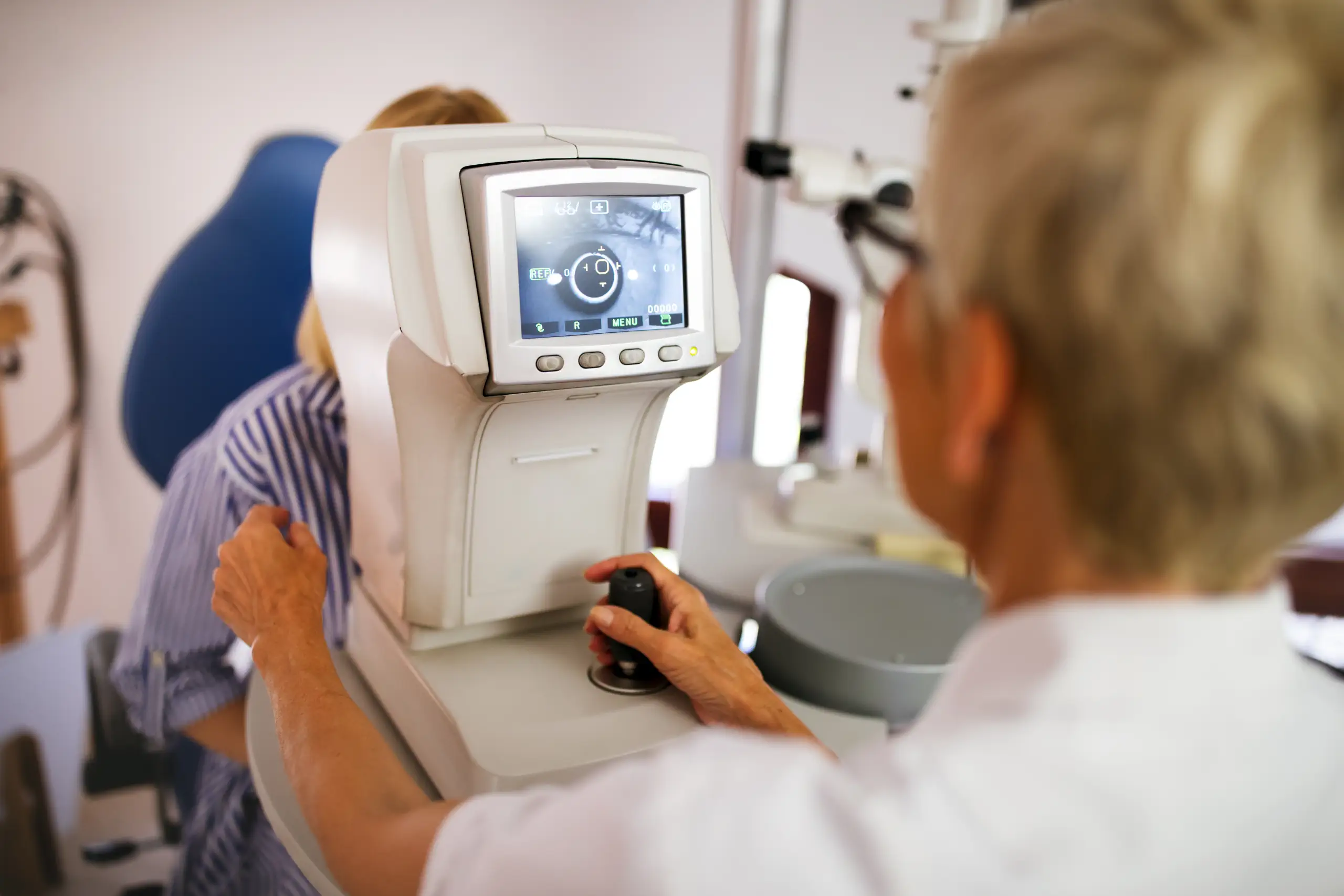
The most common tests to detect glaucoma include:
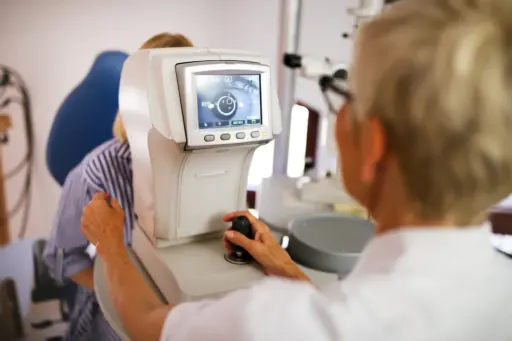
- Tonometry: measures intraocular pressure.
- Ophthalmoscopy: allows the specialist to observe the appearance of the optic nerve.
- Visual field testing: evaluates the field of vision to detect affected areas.
- Optical coherence tomography (OCT): analyzes the thickness of retinal nerve fibers.
It is recommended to have eye exams every one or two years from the age of 40, and earlier if there is a family history, diabetes, high myopia or ocular hypertension.
3. Treatment and control
The goal of glaucoma treatment is to maintain intraocular pressure within safe values and preserve nerve tissue.
Available treatments include:
- Hypotensive eye drops: facilitate drainage or reduce the production of aqueous humor.
- Laser therapies: improve the outflow of ocular fluid.
- Filtering or valve surgery: indicated in advanced cases or those resistant to medical treatment.
The treatment does not cure glaucoma, but it helps to slow its progression.
Adherence to treatment and regular check-ups are essential to preserving vision.
4. Nutrition and eye health: a key relationship
The eye is one of the organs most sensitive to oxidative stress, a biological process in which an excess of free radicals can damage the cells of the optic nerve and retina.
A balanced diet, rich in antioxidants and essential fatty acids, can help protect eye structures and contribute to overall metabolic balance.
The AESAN Scientific Committee Report (2024) highlights that people with visual impairment or eye diseases can benefit from dietary habits aimed at maintaining an adequate nutritional status, including an optimal supply of long-chain omega-3 fatty acids (EPA and DHA) and antioxidant micronutrients.
4.1. Omega-3s and DHA in visual function
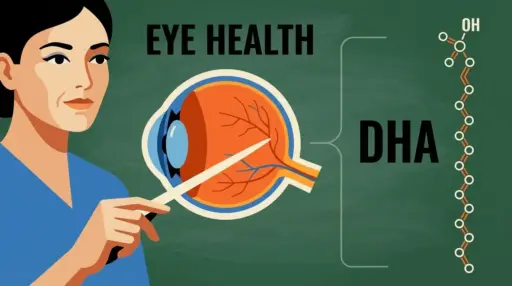
Omega-3 fatty acids, especially DHA (docosahexaenoic acid), are essential structural components of the cell membranes of the retina and optic nerve.
Several scientific studies have shown that a sufficient intake of DHA can:
- Contribute to the maintenance of normal visual function, as recognized by the European Food Safety Authority (EFSA).
- Promoting the fluidity of neuronal membranes, which improves communication between cells of the visual system.
- To help modulate the inflammatory response, reducing the impact of processes that can affect the optic nerve.
- Supporting ocular microcirculation, which promotes the supply of oxygen and nutrients to the retina.
Food sources of omega-3
- Oily fish (sardine, mackerel, salmon, herring, anchovy).
- Seafood and seaweed.
- Chia seeds, flax seeds and walnuts (although their content is mainly ALA, a less efficient precursor of DHA).
Regular consumption of oily fish 2 or 3 times a week or the use of high-purity omega-3 supplements under professional supervision are useful strategies to maintain adequate levels.
4.2. Antioxidants that help protect vision
Oxidative damage and inflammation are implicated in the progression of glaucoma.
A diet rich in natural antioxidants can help counteract these processes. Among the most important nutrients are:
- Vitamin C: present in citrus fruits, kiwi, peppers and strawberries.
- Vitamin E: found in nuts, seeds, and vegetable oils.
- Zinc and selenium: minerals that participate in cellular antioxidant defense.
- Lutein and zeaxanthin: carotenoids that concentrate in the macula and contribute to retinal health.
- Polyphenols: present in red fruits, green tea and extra virgin olive oil, with anti-inflammatory and protective properties.
4.3. Other nutrients of interest for eye health
In addition to omega-3, scientific research highlights the role of other micronutrients in visual function:
- B vitamins (B6, B12, folate): contribute to nerve metabolism and may reduce homocysteine, a marker associated with vascular damage.
- Magnesium: supports muscle relaxation and eye circulation.
- Copper and manganese: participate in antioxidant enzymes essential for retinal integrity.
A varied and colorful diet, with a predominance of fresh and natural foods, remains the basis of protective eye nutrition.
BRUDYLAB – CC BY-NC-SA 4.0 License
5. Healthy habits to care for your vision
Eye health does not depend solely on diet or drug treatment.
Daily habits can make a big difference in controlling glaucoma and protecting the optic nerve.
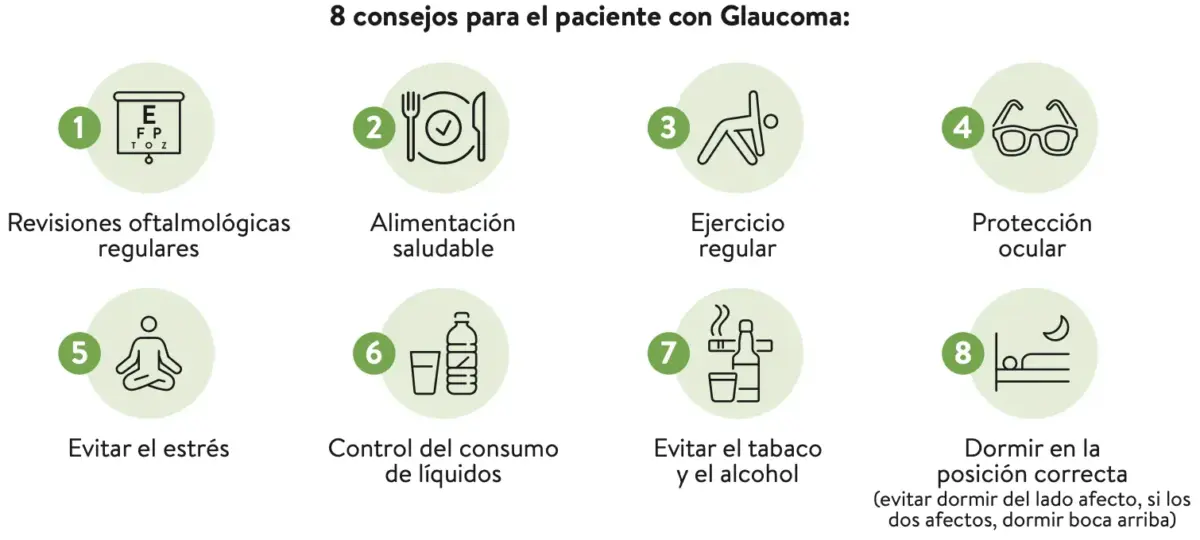
5.1. Basic recommendations for the glaucoma patient
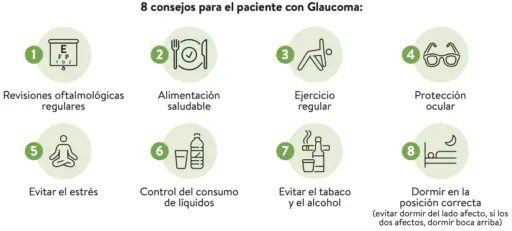
- Regular eye exams: follow the appointments and tests indicated by the specialist.
- Healthy eating: maintain a diet rich in fruits, vegetables and omega-3 fatty acids.
- Regular physical exercise: walking, swimming or practicing yoga promotes circulation and reduces blood pressure.
- Eye protection: wear glasses with UV filters and avoid prolonged exposure to screens without breaks.
- Avoid stress: relaxation techniques, breathing exercises, or meditation can help stabilize eye pressure.
- Control of fluid consumption: avoid drinking large amounts of water in a short time; It is preferable to do it in fractions.
- Avoid tobacco and alcohol: both disrupt microcirculation and increase oxidative stress.
- Sleep in the correct position: avoid sleeping on the side of the most affected eye; if both are affected, it is recommended to sleep on your back.
6. Toxic habits and their impact on eye health
Modern lifestyles include factors that can accelerate visual deterioration, especially in people predisposed to glaucoma.
6.1. Tobacco
Tobacco contains oxidizing and vasoconstrictive substances that affect the blood supply to the optic nerve and increase the risk of visual damage.
Quitting smoking is one of the most effective measures to preserve eye and general health.
6.2. Alcohol
Excessive alcohol consumption alters the liver’s metabolism of antioxidant vitamins and can increase blood and eye pressure.
Its intake should be limited or avoided in patients with glaucoma.
6.3. Caffeine and stimulants
Although caffeine is not prohibited, high consumption can cause temporary spikes in intraocular pressure. Moderation is recommended, especially for sensitive individuals.
6.4. Chronic stress
Prolonged stress activates hormonal mechanisms (such as cortisol) that can influence eye pressure and optic nerve blood flow.
Rest, meditation, and conscious breathing help maintain neurovascular balance.
7. Postural habits and daily care
Body postures also influence intraocular pressure.
Several studies have shown that certain positions, such as keeping the head down for a long time, can temporarily increase IOP.
Practical posture recommendations
- Avoid reading or looking at screens in a fully reclined position.
- Do not rest your head on your hands or sleep on the affected eye.
- Use a pillow that keeps your head slightly elevated.
- Avoid exercises that involve inverting the body (such as yoga poses with the head down).
- If you are doing activities that require physical effort, do so with fluid breathing, without holding your breath.
8. Exercise and eye health
Moderate and regular exercise helps improve cardiovascular health and, therefore, the supply of oxygen to eye tissues.
Activities such as walking, swimming, practicing Pilates or gentle yoga can help regulate eye pressure.
However, high-intensity exercises or those with sudden changes in pressure (extreme weightlifting or prolonged breath-holding) should be avoided.
9. The importance of sleep and visual rest
Sleeping poorly or in unsuitable positions can affect eye oxygenation.
In addition, prolonged screen exposure at night reduces melatonin production and disrupts the circadian rhythm, which can have indirect effects on eye health.
Recommendations:
- Maintain a stable sleep routine.
- Avoid electronic devices at least one hour before going to sleep.
- Sleep on your back or alternate positions to avoid putting pressure on your eyes.
- Make sure the room is well ventilated and has good ambient humidity.
10. Conclusion: vision, balance and prevention
Glaucoma requires a comprehensive approach that combines medical treatment, balanced nutrition, and healthy lifestyle habits.
A diet rich in omega-3, antioxidants, and essential micronutrients can help protect optic nerve cells and promote long-term visual stability.
Avoiding harmful habits, maintaining good posture, and having regular check-ups are fundamental pillars in the prevention and control of this disease.
References
- Spanish Agency for Food Safety and Nutrition (AESAN). Report of the Scientific Committee on the impact of visual impairment on eating habits and nutritional status (2024).
- Spanish Society of Ophthalmology (SEO). Practical guide for the diagnosis and management of glaucoma (2022).
- World Health Organization (WHO). Glaucoma: causes, diagnosis and prevention (2023).
Products related to glaucoma
More entries at BrudyLab blog

Eye Health
Back to School and Children’s Vision

Maternal and Child
Breastfeeding and hydration

General
DHA and physical activity in summer: why the heat changes the rules
Artificial tears
Why is DHA so important for your eyes?
Eye Health
The critical importance of DHA in eye health
Eye Health
Glaucoma: Take care of your vision with nutrition and healthy habits

Maternal and Child
Benefits of breastfeeding
General