
Title: The Importance of DHA in Cardiovascular Health
Published: - Updated:
Author: Redacción BRUDYLAB
Reviewer: Dra. Leia Garrote - Medical Director
Docosahexaenoic acid (DHA) is an essential Omega-3 fatty acid for cardiovascular health. DHA may reduce the risk of heart disease, improve heart function, and reduce inflammation. The importance of DHA at different stages of life is detailed, and the BRUDY PLUS supplement is recommended to obtain the benefits of DHA.
The Importance of DHA in Cardiovascular Health
DHA and cardiovascular health: an essential ally for the heart
Cardiovascular health is a fundamental pillar for a long and healthy life. The heart and vascular system are responsible for transporting blood, oxygen, and nutrients to all the cells in the body. Maintaining their proper function not only improves overall well-being but also prevents serious illnesses such as heart attack, stroke, and coronary artery disease.
Among the various factors that contribute to cardiovascular health, the role of certain nutrients stands out, such as docosahexaenoic acid (DHA), an omega-3 fatty acid with scientifically proven properties.



What is DHA?
Docosahexaenoic acid (DHA) is a long-chain polyunsaturated fatty acid belonging to the omega-3 family. It is found mainly in oily fish (such as salmon, tuna, or mackerel), in fish oils, and in some microalgae.
DHA is an essential structural component of cell membranes, especially in the brain, retina, and heart. Although it is best known for its role in neurological and visual development, it also plays a key role in cardiovascular function.



Benefits of DHA for Cardiovascular Health
Omega-3 fatty acids, particularly DHA (docosahexaenoic acid) and EPA (eicosapentaenoic acid), have been extensively studied for their effects on cardiovascular health. The European Food Safety Authority (EFSA) has endorsed several health claims based on solid scientific evidence. These are some of the main ones:
1. Maintenance of normal triglyceride levels
A high concentration of triglycerides in the blood is a well-established risk factor for cardiovascular disease. EFSA acknowledges that:
🧬 DHA contributes to the maintenance of normal blood triglyceride levels with a daily intake of 2 grams of DHA.
🧬 EPA and DHA also contribute together to the maintenance of normal triglyceride levels with a combined daily dose of 2 grams of EPA + DHA.
This effect is due to the ability of these fatty acids to modulate lipid metabolism and reduce hepatic synthesis of triglycerides.
2. Maintaining normal blood pressure
High blood pressure is one of the main modifiable cardiovascular risk factors. According to EFSA:
🫀 EPA and DHA contribute to the maintenance of normal blood pressure from a daily dose of 3 grams of EPA + DHA.
This hypotensive effect, although moderate, may be clinically relevant in people with elevated levels or within the high range of normality.
3. Normal heart function
Proper cardiac function is essential for efficient circulation and correct oxygenation of all body tissues. EFSA has approved that:
❤️ EPA and DHA contribute to normal heart function with a minimum intake of 250 mg of EPA + DHA daily.
This benefit is associated with the ability of omega-3s to stabilize the cell membranes of the heart, improve contractile function, and reduce the risk of arrhythmias.
Benefits of DHA According to Age and Gender



Benefits of DHA according to age and gender
DHA and EPA play important roles throughout all stages of life. Although the EFSA does not establish age- or sex-specific benefits for cardiovascular health, it has approved several general statements that help us understand how these nutrients can be useful at each stage of life.
From 0 to 16 years: development and future prevention
During childhood and adolescence, DHA is essential for brain and vision development. EFSA has established that:
👶 DHA contributes to normal brain and vision development in infants and young children when 100 mg of DHA is ingested daily.
Although cardiovascular diseases do not usually manifest at this stage, establishing a diet rich in omega-3 from childhood can promote better long-term metabolic and cardiovascular health.
Ages 16 to 25: Performance and Prevention
In late adolescence and young adulthood, the body is still developing and faces challenges such as academic, physical, and emotional stress. If intense exercise is also involved, DHA supplementation can be helpful in managing inflammation and promoting recovery. Furthermore:
🫀 EPA and DHA contribute to normal heart function (from 250 mg daily combined).
This stage is key to establishing healthy habits that prevent cardiovascular risk factors in adulthood.
From 25 to 40 years old: balance in everyday life
In early adulthood, work-related stress, a sedentary lifestyle, or an unbalanced diet can affect cardiovascular health. Increasing DHA intake may help:
- Maintain normal triglyceride levels.
- To contribute to normal heart function.
Supplementation can be especially useful in people who consume little oily fish.
From 40 to 60 years: active prevention
During this stage, the risk of high blood pressure and dyslipidemia increases. DHA contributes to:
- to the maintenance of normal blood pressure.
- to the maintenance of normal triglyceride levels.
This healthier lipid profile and better blood pressure control can reduce the risk of cardiovascular events.
Over 60 years: cardiovascular and cognitive protection
In older age, maintaining good cardiovascular health is crucial for preserving independence. In addition to the benefits for triglycerides, blood pressure, and heart function, the EFSA recognizes that:
🧠 DHA contributes to the maintenance of normal brain function and
👁️ to the maintenance of normal vision, with a daily intake of 250 mg of DHA.
This reinforces the protective role of DHA at both the vascular and neurological levels.
Gender considerations
- In women, especially during menopause, hormonal changes can affect the lipid profile and increase cardiovascular risk. Adequate DHA intake can contribute to triglyceride and blood pressure control, helping to counteract these effects.
- In men, DHA may be part of a nutritional strategy to maintain cardiovascular health, especially in those with a family history of heart disease, overweight, or a sedentary lifestyle.
Brudy Plus
What is Brudy Plus?
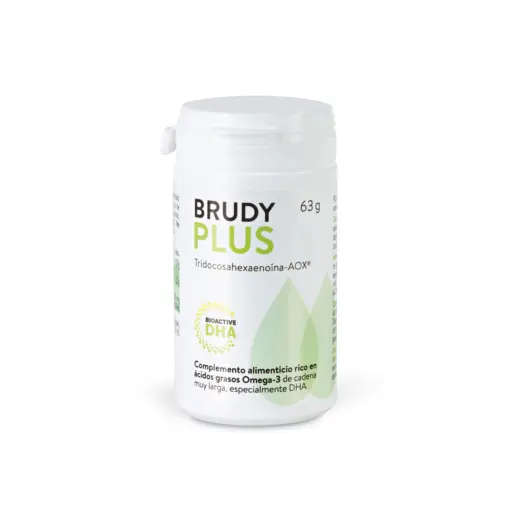
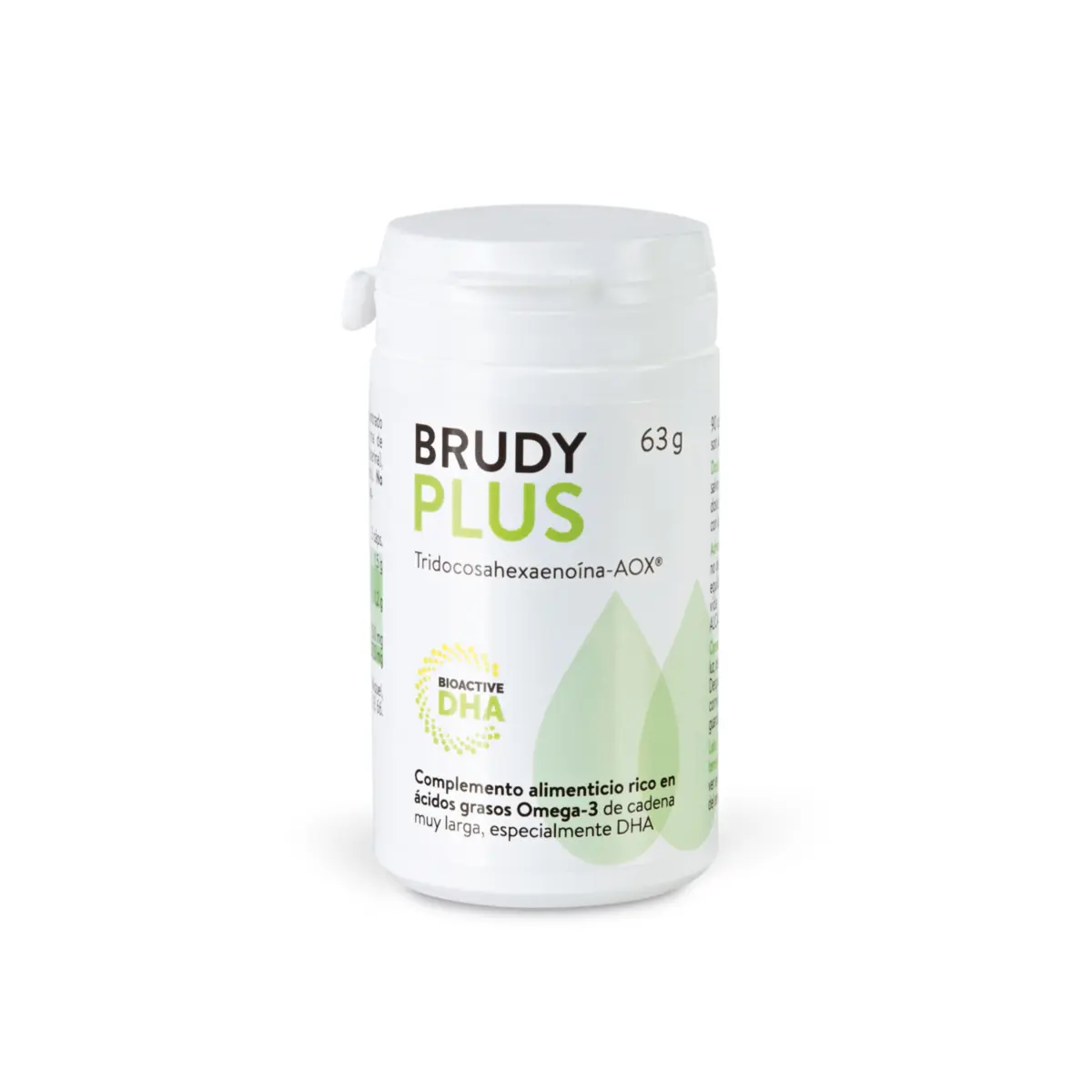
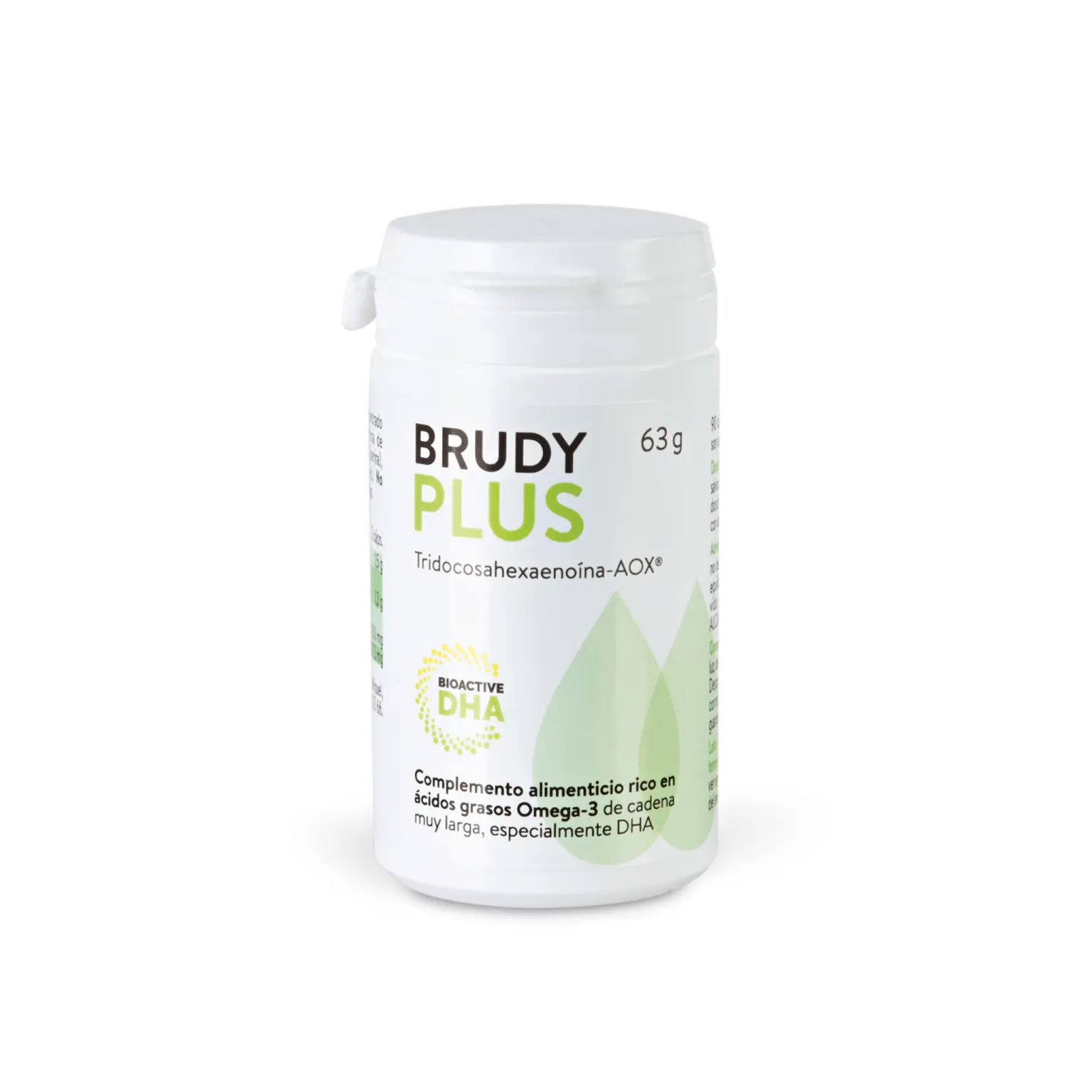
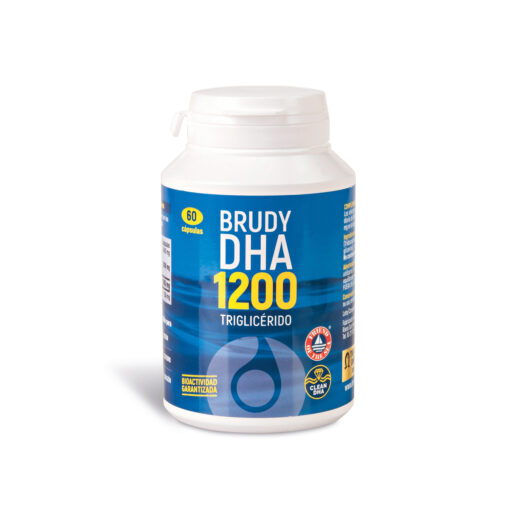
BrudyPLUS is a dietary supplement developed by BrudyLab that provides 350 mg of DHA per capsule. This supplement is designed to help people obtain an adequate amount of DHA, especially those who do not consume enough fatty fish in their diet.
How to take Brudy Plus
The recommended dose is 1 to 3 capsules daily, preferably with meals and a glass of water. It is important to follow the dosage instructions and not exceed the recommended dose.
Final recommendation: a healthy diet as a foundation
To maintain good cardiovascular health, it is essential to follow a varied and balanced diet, rich in fresh, natural foods: fruits, vegetables, legumes, whole grains, nuts, and oily fish. This type of diet, similar to the Mediterranean diet, has been shown to have protective effects on the heart and blood vessels.
DHA supplements, such as Brudy Plus, can be a useful tool for reaching recommended omega-3 levels in people who don’t consume enough fatty fish or who have specific needs. However, it’s important to remember that supplements don’t replace a healthy diet, but rather complement it.
It is always advisable to consult with a healthcare professional before starting any supplementation, especially if there are pre-existing medical conditions or if other medications are being taken.
Frequently Asked Questions
What is DHA?
It is an omega-3 fatty acid found in oily fish, fish oils, and microalgae. It is essential for brain, vision, and cardiovascular health.
How does DHA affect the heart?
Omega-3 fatty acids, such as DHA (docosahexaenoic acid), have beneficial effects on cardiovascular health:
✅ They contribute to maintaining normal triglyceride levels in the blood
✅ They contribute to maintaining normal blood pressure
✅ They contribute to normal heart function
These benefits are obtained within the framework of a healthy diet and can contribute to reducing the risk of cardiovascular disease over time.
What is Brudy Plus and how do you take it?
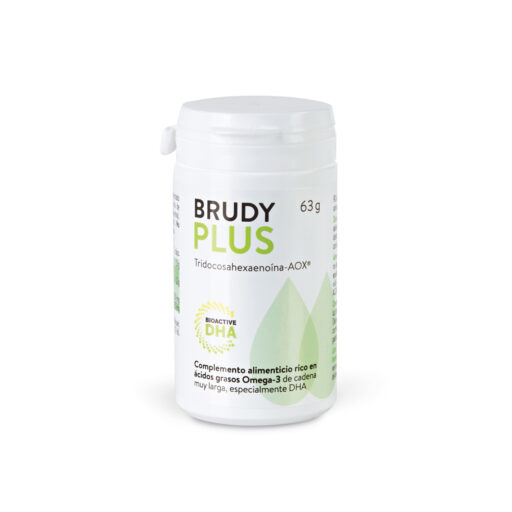
It is a supplement with 350 mg of DHA per capsule. It is recommended to take 1-3 capsules daily with meals, with a glass of water.
Products related to Salud Cardiovascular
More entries at BrudyLab blog

Eye Health
Back to School and Children’s Vision

Maternal and Child
Breastfeeding and hydration

General
DHA and physical activity in summer: why the heat changes the rules

Artificial tears
Why is DHA so important for your eyes?
Eye Health
The critical importance of DHA in eye health

Eye Health
Glaucoma: Take care of your vision with nutrition and healthy habits

Maternal and Child
Benefits of breastfeeding
General